Physical Address
304 North Cardinal St.
Dorchester Center, MA 02124
Physical Address
304 North Cardinal St.
Dorchester Center, MA 02124

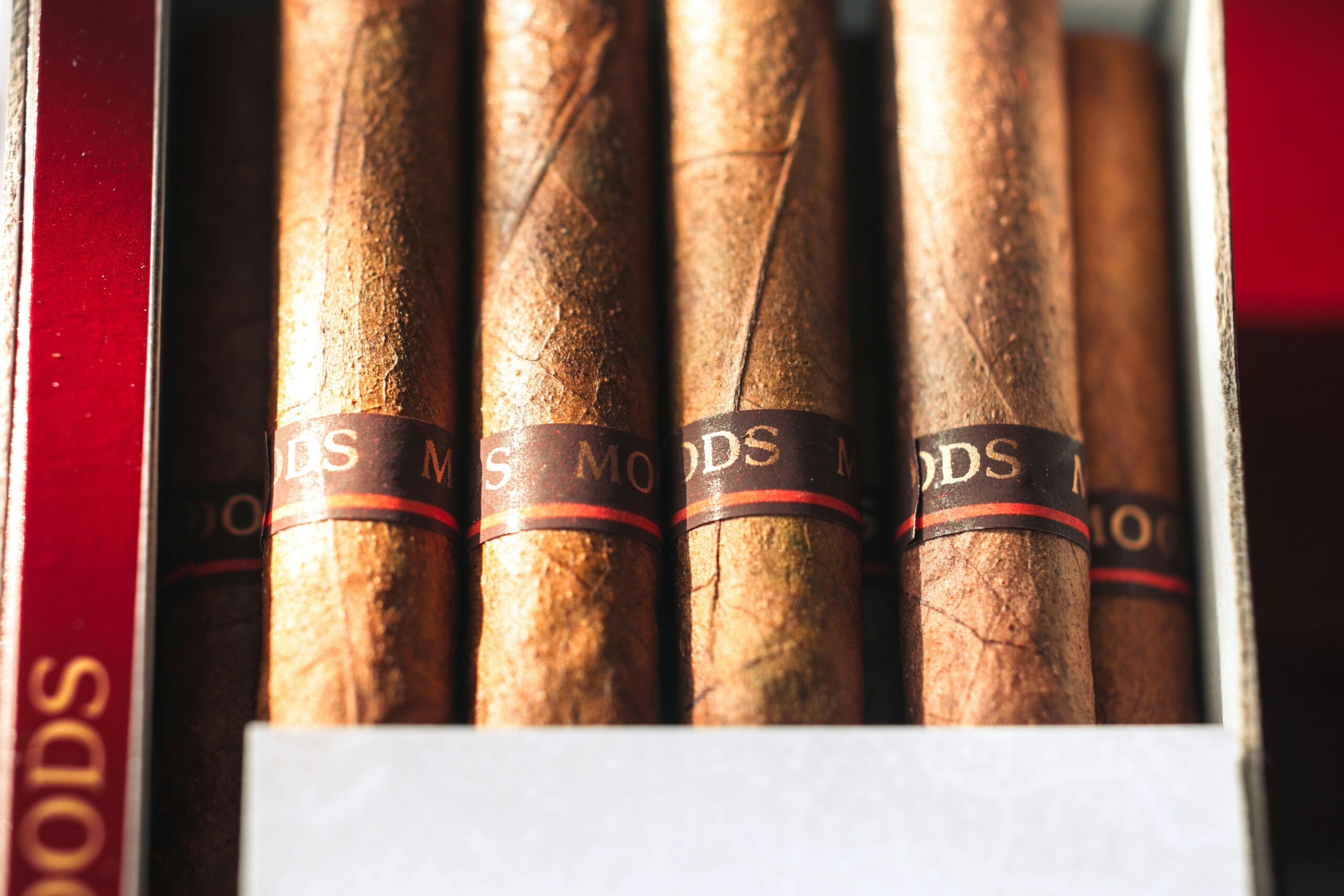
Learn how to properly store cigars with the right humidity and temperature. Discover expert tips on humidors, aging, and keeping your cigars fresh and flavorful.
There’s a moment every cigar enthusiast remembers—the first time they light up a perfectly stored cigar. The draw is effortless, the burn is even, and the flavors unfold in layers instead of hitting all at once. That experience doesn’t happen by accident. It’s the result of proper storage, careful attention to environment, and, often, a bit of patience.
Cigars are organic, living products. Even after they’re rolled, they continue to evolve, responding to their surroundings in subtle but important ways. Treat them well, and they reward you with complexity and balance. Neglect them, and even the finest cigar can turn harsh, brittle, or moldy.
In this guide, we’ll dig deep into the essentials of cigar storage—humidity, temperature, and aging—and how to manage each with confidence.
Before getting into numbers and tools, it helps to understand why cigars are so sensitive in the first place.
A cigar is made entirely of natural tobacco leaves—binder, filler, and wrapper—each with its own moisture content and oils. These components are carefully balanced during production. When stored improperly, that balance shifts.
Too much moisture and the cigar becomes spongy, difficult to burn, and prone to mold. Too little, and it dries out, leading to a hot, fast burn and a loss of flavor. Temperature swings can be just as damaging, affecting both the tobacco and the risk of pests.
In short, storing cigars correctly isn’t just about preservation—it’s about protecting the smoking experience itself.
Humidity is the single most important factor in cigar storage. The generally accepted sweet spot is between 65% and 72% relative humidity (RH).
Within that range, cigars retain enough moisture to burn properly while avoiding issues like mold or tight draws. Many seasoned smokers gravitate toward slightly lower humidity—around 65–68%—for a more consistent burn and sharper flavor profile.
Higher humidity levels (70%+) can work, especially for thicker cigars, but they require more careful monitoring.
Excess humidity introduces a range of problems:
One of the biggest risks at high humidity is mold growth. While plume (a harmless crystallization of oils) is often confused with mold, true mold is fuzzy and can ruin an entire collection if left unchecked.
Low humidity is just as problematic, though in different ways:
Once a cigar has been severely dried out, it can sometimes be restored slowly—but it rarely returns to its original quality.
Consistency matters more than hitting an exact number. A stable 67% is far better than fluctuating between 60% and 72%.
To maintain proper humidity, most enthusiasts rely on a humidor—a sealed container designed to regulate internal conditions. Inside, a humidification device releases moisture gradually, often using distilled water or specialized solutions.
Digital hygrometers are invaluable here. They provide accurate readings and help you catch issues early before they affect your cigars.
Temperature plays a supporting role to humidity, but it’s just as important. The ideal range is 65°F to 70°F (18°C to 21°C).
This range keeps cigars stable while minimizing the risk of tobacco beetles—tiny pests that can hatch and destroy cigars if conditions get too warm.
Temperatures above 72°F significantly increase the risk of beetle infestation. These insects lay dormant in tobacco and can hatch when exposed to heat, boring holes through cigars and leaving behind fine dust.
Once an infestation begins, it can spread quickly through an entire humidor.
High temperatures can also:
Storing cigars in very cool environments (like a refrigerator) is generally discouraged. While it may prevent beetles, it introduces other problems:
If long-term storage in a warm climate is unavoidable, some enthusiasts use specialized cigar coolers designed to maintain both temperature and humidity—but standard refrigerators are not a substitute.
A humidor isn’t just a box—it’s a controlled microclimate. Its job is to:
Traditional humidors are lined with Spanish cedar, which helps regulate moisture and adds subtle aromatic qualities to the cigars.
Before using a new humidor, it must be properly seasoned. This involves slowly introducing moisture to the wood lining so it doesn’t pull humidity away from your cigars.
Rushing this step is a common mistake and can lead to unstable conditions early on.
For beginners, a small desktop humidor is often sufficient. As your collection grows, larger cabinets or even walk-in humidors become appealing.
Modern options also include electronic humidification systems and airtight containers with humidity packs, which offer simplicity and consistency with minimal maintenance.
Aging cigars is similar to aging wine in principle. Over time, the chemical compounds in the tobacco continue to interact, resulting in:
Not all cigars benefit equally from aging, but many premium blends evolve beautifully over months or years.
There’s no universal answer. Some cigars peak after a few months, while others can improve over several years.
As a general guideline:
The key is experimentation. Smoke one periodically and track how it changes.
Aging requires the same conditions as storage—stable humidity and temperature. Fluctuations can disrupt the process and lead to uneven results.
It’s also important to avoid overhandling. Let the cigars rest undisturbed so they can mature naturally.
Even experienced enthusiasts make mistakes from time to time. A few of the most common pitfalls include:
Over-humidifying is perhaps the most frequent issue. More moisture does not mean better cigars. In fact, it often leads to burn problems and muted flavors.
Another mistake is relying on inaccurate hygrometers. A poorly calibrated device can mislead you into thinking everything is fine when it’s not.
Frequent opening of the humidor can also destabilize conditions. While it’s fine to check in occasionally, constantly exposing cigars to outside air introduces unnecessary fluctuations.
Finally, mixing cigars with drastically different flavor profiles or aromas in a small space can lead to subtle cross-contamination over time.
As you gain experience, you’ll likely refine your preferences. Some smokers prefer slightly drier cigars for sharper flavor definition, while others enjoy a more humid environment for a slower, cooler burn.
Your climate also plays a role. Someone in a humid coastal region will approach storage differently than someone in a dry inland area.
The important thing is to observe, adjust, and learn. Pay attention to how your cigars feel, burn, and taste. Those cues will guide you more reliably than any fixed rule.
Proper cigar storage is both a science and an art. The science lies in maintaining the right humidity and temperature. The art lies in understanding how those conditions affect flavor, burn, and aging over time.
When you take control of your storage environment, you’re not just preserving cigars—you’re shaping the experience they deliver. A well-stored cigar rewards you with nuance, balance, and satisfaction that simply can’t be faked.
Treat your cigars with care, give them time when they need it, and they’ll return the favor every time you light one up.